Blog

“What if friendship, not marriage, was at the center of life?”

I’m so stoked to see alternative family structures being covered in mainstream media!!!! Thank you @theatlantic for covering a type of relationship that our society has long forgotten about, and in the past few centuries has demonized: friendships that function as partnerships.
.
When people ask me if i’m polyamorous, i don’t know what to say. I’ve never been into the idea of having multiple committed sexual-romantic partners (the google calendaring required always sounded like too much work for me ☺️), but I absolutely view my deepest friendships as partnerships, and I always have. I identify a lot with the terms “relationship anarchy” and “solo polyamory,” but neither of them ever seemed like a perfect fit. I just wanna be free to love my friends as partners without people asking me to define the relationship.
.
It’s about time we started talking as a society about alternative ways of creating families. Marriage is not the best fit for everyone, and being raised to believe it is the only option has been harmful to so many. The pain and confusion that myth has instilled in me has taken years of self work to even begin to unwravel. Let’s start imagining other ways of being!
.
Shoutout to all my platonic partners past and present, you know who you are and I love you so much ❤️❤️

.

Check out the article in the Atlantic: “What if friendship, not marriage, was at the center of life?”

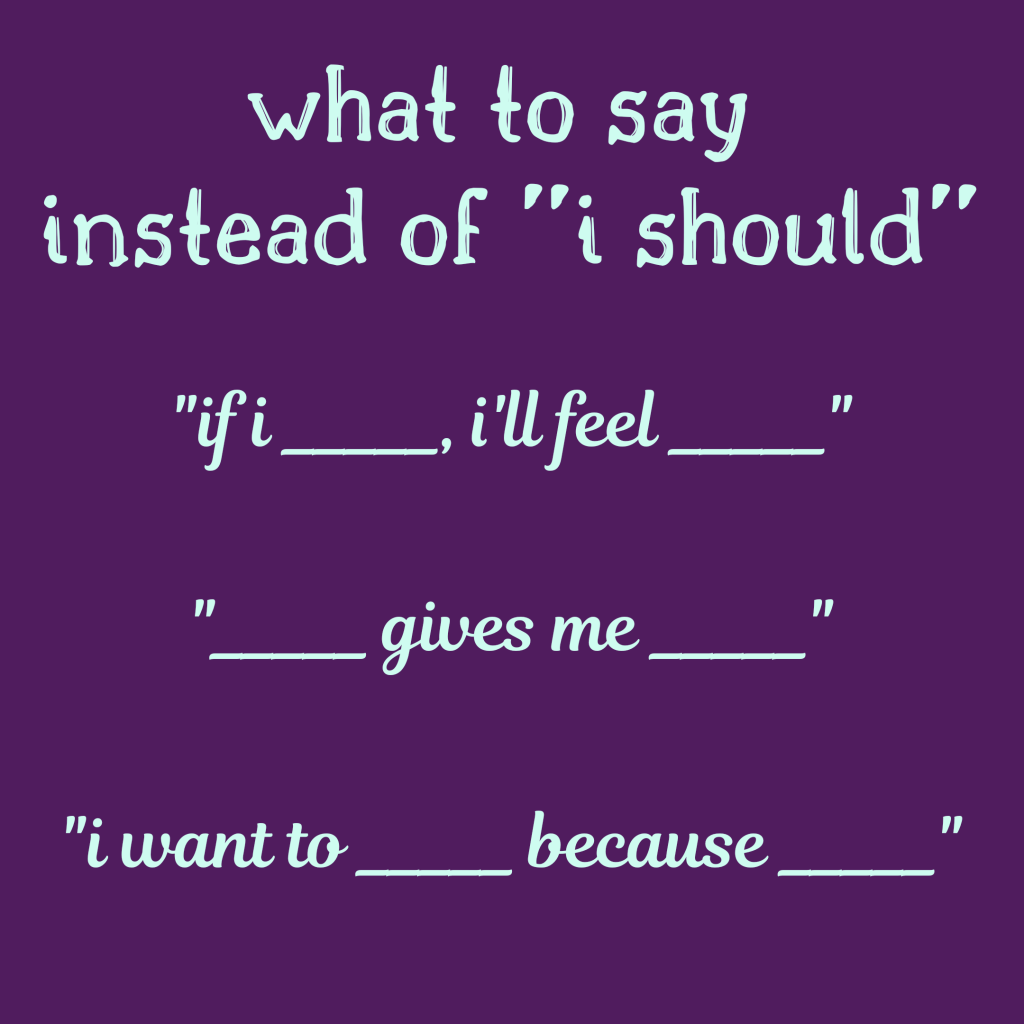
What to say instead of “should”

We use the word “should” all the time: “I should clean my car,” “You shouldn’t say that about yourself,” “We should try something new.” But should is kind of a useless word; it’s often a substitute for “I think this is what’s expected of me” — a reflection of social expectation, rather than tuning into our own feelings.

I tell my clients no “shoulds” are allowed when we’re working together, because it distracts us from listening to our body’s “yes”es and “no”s. That means we both have to call each other on it when we hear the other person say “should.”

When we say “should,” we’re using shame and guilt to motivate ourselves, which rarely works at effecting change. With a simple rephrase, we can discover our genuine feelings, and usually find a lot more motivation to do things differently.

Instead of should (“I should really exercise more”), try saying . . .

  • “If I ______, I’ll feel _______.” (for example, “If I exercise, I’ll feel happier.”)
  • “______ gives me ______.” (“Exercising gives me joy.”)
  • “I want to ______ because ______.” (“I want to exercise because it will energize me.”)

If you’re struggling to fill in the blanks, or you discover when you fill them in that your motivators are all external (“I want to exercise because dates will find me hotter”), it’s likely that you don’t actually want to do this activity. And if that’s the case, maybe it’s time to drop the “should” (and the self judgment) altogether!

Is porn addiction real?

The topic of porn addiction is a controversial one in the sexual healing community. I frequently see clients who believe they are addicted to porn, yet I’ve also heard many therapists and sexual practitioners adamantly maintain that the label “porn addiction” only causes harm, saying there’s no such thing.

Here’s what I think about porn addiction: it’s real in as much as any other diagnosis is real — and that’s only to the degree that it’s useful to the client.

Mental illness diagnoses are a very recent concept in human history. The idea that a person’s emotional struggles can be reduced to an individual problem of brain chemistry has deep roots in colonial capitalism. This system benefits a lot from making productive laborers out of all of us, and from convincing us that any inability to be a productive laborer is a personal failing (and not a failure of the system).

That being said, diagnoses can be incredibly helpful tools. I’ve never been formally diagnosed with ADHD, but when a therapist friend suggested I might have it, my life transformed. Suddenly, my perpetually scattered brain became something I could build around rather than criticize constantly. Where I used to feel self loathing — when I’d accidentally leave a pot burning on the stove because organizing the pantry suddenly became enticing, or I’d see a friend’s confusion at my inability to stay seated as we engaged in a heart-to-heart — I now felt self compassion. Where I used to try to force or will myself to focus (a strategy that rarely worked), I now approached my constant movement as something to be adapted to, learning how to work with my scattered brain rather than against it. Activities I used to hate became fun. Cleaning my room, which had once been a battle, was now an enjoyable flurry of motion; as long as I gave myself enough time and a to-do list, it was no problem to have twelve unfinished cleaning tasks going at once, popping from one to the next whenever it suited my mood.

That being said, although I found the ADHD label to be a helpful tool for befriending my brain, I know many people who feel angry they received that diagnosis — they were forced onto medications at an age when they couldn’t truly consent, they say, and it altered their brain forever.

I think of porn addiction in the same way as any diagnosis; it is useful only if it empowers a client. When a diagnosis is used as a mechanism of control, of forcing someone into a box they did not choose, it causes harm, not healing.

I have many clients who found the porn addiction label profoundly useful; it led them on a path of healing that helped them find joy and connection in a realm that had formerly brought them shame and frustration. They found a therapist they liked, began working with me in surrogate partner therapy, and learned to build meaningful relationships. But I also have clients who have been deeply disempowered by the porn addiction label. They became consumed by their shame, caught in a spiral of failed attempts at self control followed by hours of porn bingeing.

So when I hear sexual healing professionals arguing about whether porn addiction exists or not, I get frustrated. Whether I think it’s real or not doesn’t matter — and arguing about it is not only missing the point, it’s fundamentally decentering the most important part of my work: my clients.

What actually matters is my client’s relationship to the porn addiction diagnosis. If it helped them start healing and they find it empowering, great, let’s work with that! How can we replace their addictive behaviors with helpful ones? How can we support them in moving away from porn and into relationships that support them?

And if the porn addiction diagnosis harmed a client, if it left them feeling broken and inferior and unfixable, then let’s support them in letting go of that label. Let’s guide them toward self compassion and tenderness, and give them the tools they need to start discovering pleasure apart from shame.

No one should be forced to use a diagnosis that makes them feel ashamed, just as no one should be gaslit for using a diagnosis that works for them. Sexual healing professionals’ job is to support our clients, and when it comes to the label of porn addiction, that means following their lead.
Guided self touch practice: hand and arm

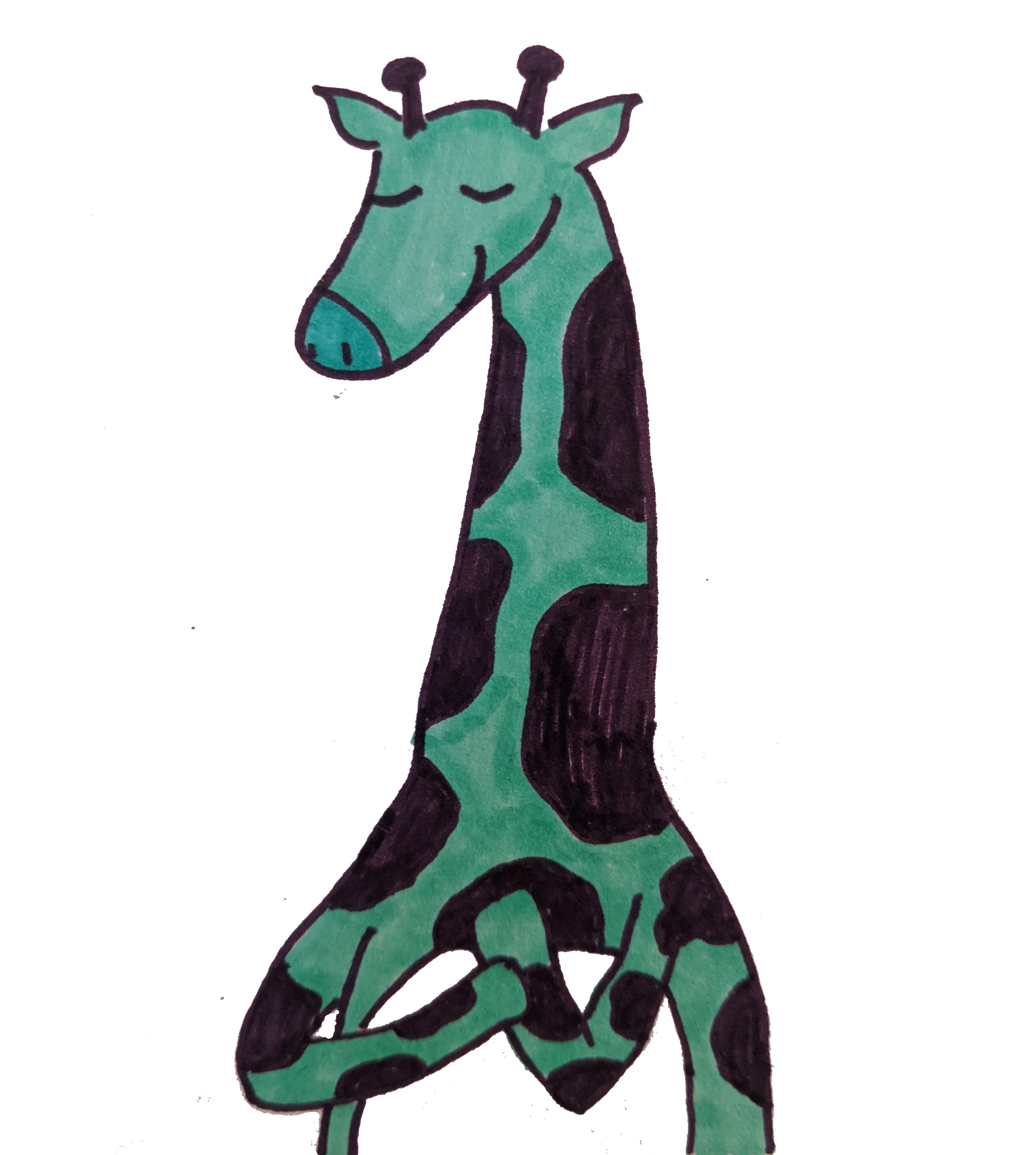
a turquoise giraffe caresses their arm with a smile on their faceHere’s a sensate focus exercise you can do on your own. “Sensate focus” is basically a fancy way of saying touch-based mindfulness, and it’s a skill we practice again and again in surrogate partner therapy. Typically, sensate focus exercises involves two people, but I’ve adapted this one so that you can do it without a partner.
This is a relaxing exercise focused on your arms and hands that will help you tune into your body’s desires — think of it like a guided meditation but more pleasure-focused 🙂 Lean back, get cozy, and have fun!

Really Easy Ways to Show up for #BlackLives

<< CW: this post contains references to police brutality >>

If you’re looking for quick actions you can take from home to voice your support of #BlackLivesMatter, check out https://blacklivesmatters.carrd.co/.

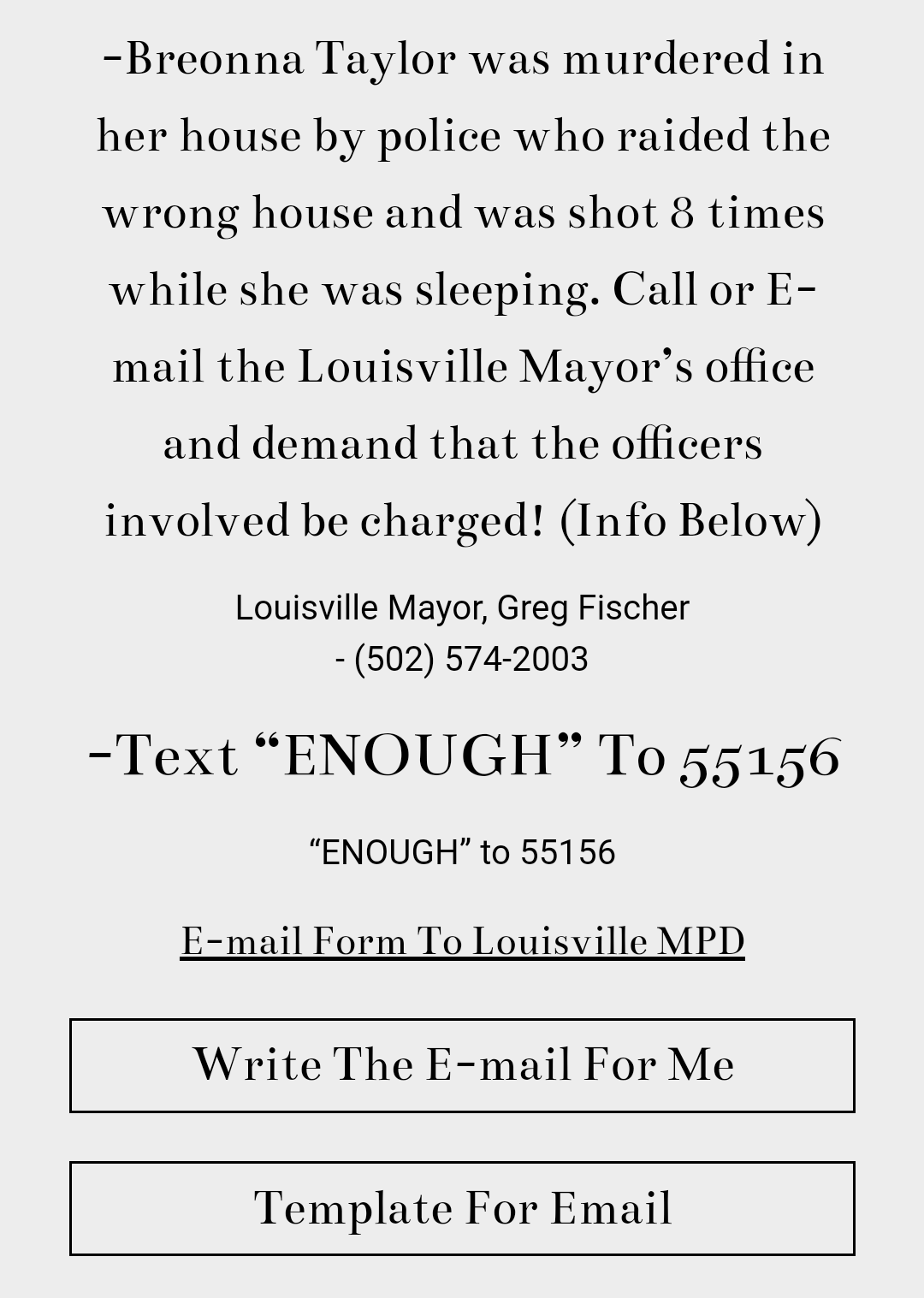
It’s a simple and straightforward list of links you can follow to sign petitions; email, call, or text government officials; listen to YouTube playlists & play free online games to fundraise for #BLM via ads; and donate to the families of Black people who have been murdered by police. Last night, I sent an email to the Mayor of Louisville demanding accountability for the murder of Breonna Taylor while I was in the bathtub — and it took less than five minutes.

BLM_carrd_screenshot
Blacklivesmatters.carrd.co makes it incredibly easy to take small actions in support of black lives: just click a link to send an email to government officials, make a phone call, or even play free games to fundraise for #BLM via ads

Breonna Taylor, a 26-year old Emergency Medical Technician, was murdered four months ago today when multiple police officers broke into her apartment unannounced while she and her boyfriend were asleep in the middle of the night. Not knowing who had broken through the door, her boyfriend, who was licensed to carry a handgun, fired one warning shot, which hit an officer in the leg. The officers returned at least 22 rounds of fire, killing Taylor in her own home. To make matters worse, they subsequently arrested her boyfriend and charged him with attempted homicide of a police officer, although the charges were later dropped. According to police interviews, the officers were told Taylor’s home was a “soft target” with minimal threats, and the suspect they were actually looking for was arrested the same night in a different location. Breonna Taylor was unjustly murdered. We must demand accountability.

No matter who you are, where you live, how much money you have, how abled your body is, or how busy you are, https://blacklivesmatters.carrd.co/ has ways you can contribute right now. I invite you to take ten minutes sometime this week to follow the link and find an action that’s doable for you.

“No one is free until we are all free.”
MLK